

There’s a version of Rome that most visitors never see. It’s not behind a velvet rope or hidden inside some exclusive restaurant. It’s right there in the Monti district, tucked between medieval archways and sun-faded terracotta walls, playing out in the daily rhythms of people who’ve been eating the same ancient recipes their whole lives. If you want to access that version of Rome, a Monti Food Tour experience is your most direct route.
I’ve been writing about travel and food for over a decade, and I’ll tell you plainly: Monti is one of those neighborhoods that earns its reputation genuinely. It’s not overhyped. It’s not a tourist construction. It’s the real Rome — chaotic and beautiful, historic and thoroughly alive — and the food scene here is inseparable from everything else that makes it special.
This guide covers everything: the neighborhood itself, the food traditions that define it, the different types of experiences on offer, and the practical details that will make your visit as smooth and enjoyable as possible.
Getting to Know the Monti District
Before you can truly appreciate a Monti Food Tour, you need to understand where you are. The Monti district is one of Rome’s oldest neighborhoods — the name itself dates back to ancient Rome, when this area was known as the Subura, a densely populated working-class quarter that sat in the shadow of the Esquiline Hill. Today it’s been transformed into something that somehow balances authentic neighborhood life with a quietly sophisticated cultural scene.
The Streets, the Piazzas, and the Character of Monti
Walking through Monti feels nothing like walking through the tourist-heavy zones around the Trevi Fountain or the Spanish Steps. The streets are narrower here, the energy is calmer, and the people you encounter are largely locals going about their actual lives — shopping, stopping for coffee, arguing good-naturedly about football. Piazza Madonna dei Monti is the heart of the neighborhood, and on any given evening you’ll find it filled with people of all ages doing exactly what Romans have always done in their piazzas: standing around, talking, and making the most of being alive in a beautiful city.
The food shops here take decades to build. Family-run delis with hanging prosciutto and wheels of aged pecorino in the window. Bakeries where the same family has been making the same loaves for generations. Wine bars that stock bottles from small producers in Lazio, Tuscany, and Sicily that you won’t find outside of Italy. This is the backdrop for every Monti Food Tour experience, and it matters enormously.
How Monti Fits into Rome’s Broader Culinary Identity
Rome’s food culture is one of the most distinctive in the world — and also one of the most misunderstood. What most people think of as “Italian food” is often a diluted, internationally adapted version of regional Italian cooking. Authentic Roman cuisine is something quite specific: it’s ingredient-led, tradition-bound, and deeply suspicious of unnecessary complexity.
The four pasta dishes that define Roman cooking — Carbonara, Cacio e Pepe, Amatriciana, and Gricia — are all built on this philosophy. A handful of quality ingredients, a technique refined over generations, and nothing added that isn’t necessary. You’ll encounter all of them in the Monti district, made by people who take them seriously. The Monti Food Tour experience puts these dishes in their proper context, explaining not just how they’re made but why they exist and what they say about the culture that created them.
The Quinto Quarto Tradition and What It Reveals About Roman Character
One of the most fascinating and often-overlooked aspects of traditional Roman specialties is the quinto quarto tradition. In the working-class neighborhoods of historic Rome, including Monti, butchers would sell the prime cuts to the wealthy and keep the remaining fifth for themselves — the organs, offal, and cheaper cuts that required creative cooking to make delicious. Over generations, this culinary constraint produced some of Rome’s most distinctive dishes: tripe alla romana, rigatoni con la pajata, coda alla vaccinara. These aren’t dishes for everyone, but they’re deeply important to understanding authentic Roman cuisine and what it means to cook with nothing wasted. The best Monti Food Tour experiences introduce you to this tradition in a way that’s genuinely illuminating.
The Full Range of Monti Food Tour Experiences
This is where things get genuinely exciting. The Monti Food Tour isn’t a single offering — it’s a diverse lineup of experiences designed to meet different travelers where they are.
Walking food tours are the flagship experience, built around the simple but powerful idea of eating your way through a neighborhood with someone who knows it intimately. Your guide takes you to the spots that matter — not the ones with the biggest signs, but the family trattoria that’s been on the same block since 1962, the street food counter where the supplì are made fresh every hour, the gelateria that uses natural seasonal ingredients and shows it in the color of what’s in the case.
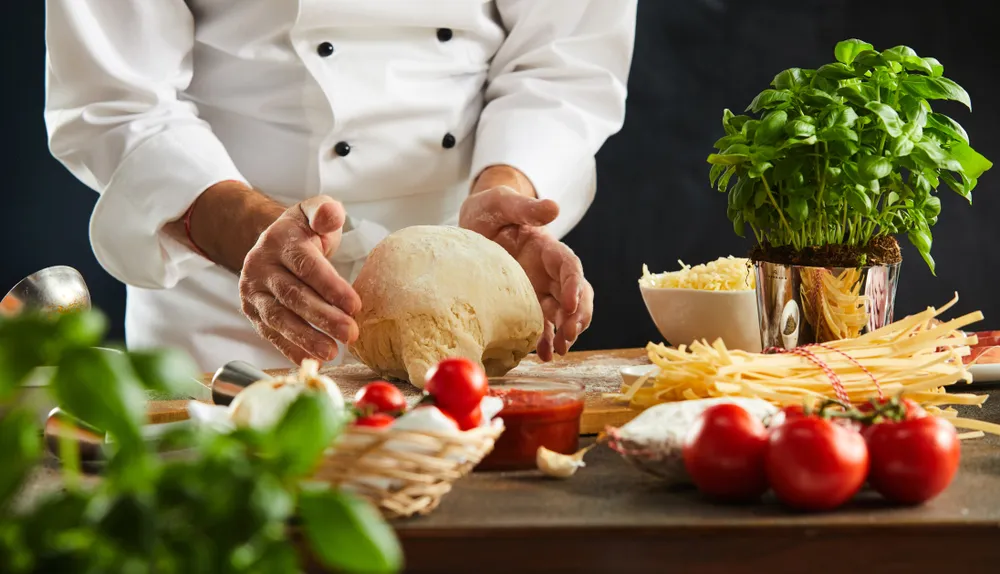
Cooking classes represent a different kind of immersion. Rather than tasting what other people have made, you make it yourself under the guidance of a local chef who walks you through the techniques that turn simple ingredients into unforgettable dishes. Fresh pasta from scratch, traditional Roman sauces, the right way to fold a maritozzo — these are skills you carry home with you long after the trip ends.
Wine tastings in the Monti district have a character that’s distinct from more formal wine education experiences. You’re not in a lecture hall. You’re in an enoteca where the owner has carefully curated a selection of natural and biodynamic wines from small Italian producers, and the conversation flows as naturally as the wine. Paired with local cheeses, cured meats, and whatever’s seasonal, it feels like being let in on a secret.
Market tours complete the picture by showing you where the ingredients actually come from. The Campo de’ Fiori market, a short walk from Monti, comes alive in the early morning with vendors selling everything from fresh artichokes to aged cheeses. A guided market experience teaches you how to shop like a Roman, what to look for and what to avoid, and how to think about seasonal eating in a city where the seasons genuinely shape what’s on the plate.
What You’ll Actually Taste: The Traditional Roman Specialties
- Supplì al Telefono: These fried rice balls filled with tomato sauce and molten mozzarella are Rome’s original street food. The name comes from the way the cheese stretches like a telephone cord when you pull one apart. Best eaten standing up, slightly too hot, from a paper bag.
- Cacio e Pepe: Two ingredients — aged pecorino romano and freshly cracked black pepper — combined with pasta water and pasta in a technique that takes years to master. When it’s done right, it’s one of the most satisfying things you will ever eat.
- Carbonara: The most misunderstood pasta dish in the world. Real carbonara is made with guanciale, eggs, pecorino, and pepper. No cream. Never cream. The technique is all about timing and pasta water to create a sauce that coats without scrambling.
- Carciofi alla Giudia: Spring artichokes flattened and fried until crispy on the outside and tender within. This dish comes from Rome’s Jewish culinary tradition and represents one of the most beautiful examples of what happens when a community’s cooking history becomes part of a city’s identity.
Practical Details for Planning Your Visit
Getting the logistics right makes a meaningful difference in how much you enjoy the experience. Here are the details worth knowing before you arrive.
When to Book and What Season to Visit
The Monti Food Tour experiences run year-round, and each season brings something different to the table — literally. Spring means artichokes and fava beans. Summer brings ripe tomatoes and ideal conditions for evening tours as the city cools down. Autumn delivers porcini mushrooms and the grape harvest, which is an excellent time for wine-focused experiences. Winter is hearty Roman comfort food at its best — carbonara and amatriciana taste different when it’s cold outside, and there’s something about eating a bowl of pasta in a warm trattoria while rain hits the cobblestones that is profoundly satisfying.
For booking, aim for at least a few days in advance, more during spring and summer when Rome is at its busiest. Popular Monti Food Tour time slots fill up quickly on weekends, so don’t leave it to the morning of your visit.
What to Bring and How to Prepare
Comfortable shoes are non-negotiable. The cobblestones of Monti are beautiful but firm, and you’ll be on your feet for three to four hours. Bring a small bag for any purchases you make along the way — it’s common to pick up a bottle of olive oil or a wedge of pecorino at one of the market stops. And come with genuine curiosity. The guides on these tours are people who love what they do, and the experience is richer when the group is engaged and asking questions freely.
Combining Your Food Tour with the Rest of Your Rome Itinerary
The Monti district’s location makes it an excellent anchor for a broader Rome day. The Colosseum is ten minutes away on foot. The Roman Forum is equally close. The Basilica di Santa Maria Maggiore sits at the top of the neighborhood. A natural pattern is to spend the morning at one of the major historical sites, join the food tour in the early afternoon, and use the knowledge you’ve gained to choose your dinner restaurant independently in the evening — ideally returning to one of the spots your guide pointed out during the tour.
Conclusion
The Monti Food Tour experience stays with you because it’s built on something real. You leave not just having eaten well, but having understood something. You know why the carbonara tastes different here. You know which market to go to and what time to arrive. You know the name of the woman who makes the best supplì in the district, and you know which table to ask for at the trattoria your guide considers the best-kept secret in Monti. That knowledge — earned through tasting, walking, asking, and listening — is the real souvenir. And it’s one that no amount of shopping can give you. If you’re serious about experiencing Rome beyond the surface, start here.