

Ask most travelers what they’re planning to eat in Rome, and you’ll hear the same answers: pizza, pasta, gelato. Which is fine — those things are worth eating. But if that’s all you’re planning for, you’re leaving an enormous amount on the table. Rome’s culinary tradition runs far deeper and far stranger and far more interesting than the abbreviated version that’s traveled internationally, and the Monti district is the best place in the city to encounter it honestly.
I’ve been covering food travel for more than ten years, and the thing that continues to genuinely surprise me about Rome is how much of its real food culture stays invisible to visitors who don’t know where to look. The traditional Roman specialties that locals have eaten for centuries — the offal dishes, the seasonal vegetables, the specific cured meats and aged cheeses that make everything taste the way it does — are right there in Monti, if you know which doors to open. This guide is designed to help you find them.
The Pasta Traditions That Started in Rome
Roman pasta is its own universe, and understanding it before you visit makes the tasting experience significantly richer. These aren’t just dishes — they’re the product of a cooking philosophy that values restraint, quality, and technique above everything else.
Why Carbonara and Cacio e Pepe Taste Different Here
You may have eaten both of these dishes before. You haven’t eaten them like this. The carbonara you’ll encounter on a Monti Food Tour in Rome is made with guanciale — cured pork cheek — aged pecorino romano, eggs, black pepper, and nothing else. The cacio e pepe uses the same pecorino with freshly toasted black pepper and a technique that takes years to master. The difference between these dishes made properly in Monti and the versions served in Italian restaurants abroad isn’t a matter of degree. It’s a matter of category. They’re fundamentally different eating experiences, and the authentic Monti Food Tour experiences are built to make sure you understand why.
Amatriciana — The Tomato Dish Rome Claims as Its Own
Amatriciana originated in the town of Amatrice, in the mountains east of Rome, but it has been adopted so completely by Roman cooking that the city considers it its own. The preparation is straightforward: guanciale rendered in a pan, San Marzano tomatoes added and cooked down, pecorino stirred through at the end, served on rigatoni or bucatini. What makes it exceptional is the balance — the fat of the pork, the acid of the tomato, the salt of the cheese, all working together without any one element dominating. When it’s made well, it’s one of the most satisfying pasta dishes in existence.
Gricia — The Ancestor Dish Most Visitors Have Never Heard Of
If carbonara and amatriciana had a shared ancestor, it would be gricia. This dish predates both — it comes from the shepherding culture of the Lazio region, where cooks had access to guanciale and pecorino but not eggs or tomatoes. The result is pasta coated in rendered pork fat emulsified with pasta water and finished with finely grated pecorino and black pepper. It sounds simple because it is simple. It tastes extraordinary because the ingredients are extraordinary and the technique is precise. This is the kind of traditional Roman specialty that doesn’t travel well — you need to eat it fresh, in Monti, to understand what it’s capable of.
The Street Food Culture of the Monti District
Street food in Rome is not a trend or a tourist gimmick. It’s an ancient part of the city’s eating culture, born from the practical needs of a densely populated urban neighborhood where not everyone had a full kitchen and everyone needed to eat quickly and well.
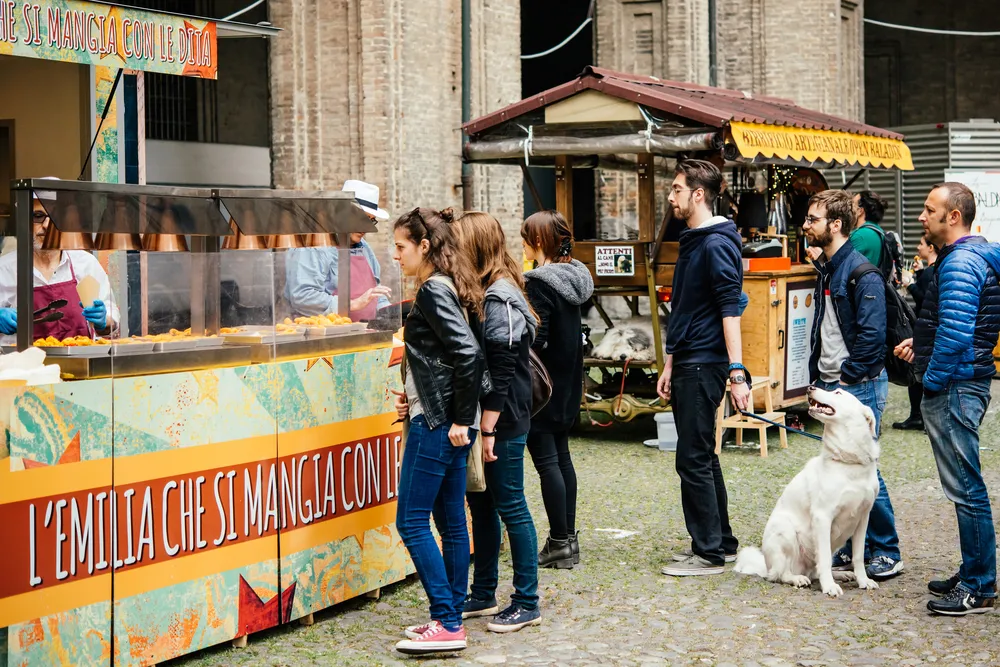
Supplì al telefono — fried rice balls filled with molten mozzarella and tomato-sauced rice — are the foundation of Roman street food, and the best versions in Monti are made fresh throughout the day. The name comes from the way the cheese stretches when you pull the supplì apart, and eating one properly — standing outside the shop, too hot to hold comfortably, paper bag in hand — is one of those small Rome experiences that stays with you. Pizza al taglio deserves equal attention. Sold by the square and priced by weight, the Monti versions cycle through toppings that reflect what’s seasonal and what arrived at the market fresh that morning. Trapizzino — a triangular pocket of pizza bianca filled with traditional Roman stews — is a more recent innovation but one that’s deeply rooted in the same tradition of making bold, satisfying food accessible on the street.
The Seasonal Dishes That Most Visitors Miss
Rome’s cooking calendar is one of the things that makes repeated visits so rewarding. The city’s chefs and home cooks take seasonality seriously in a way that genuinely shapes what appears on tables across the year, and the Monti district reflects this beautifully.
Four Traditional Roman Specialties Worth Seeking Out Specifically
- Carciofi alla Giudia: The Jewish-Roman fried artichoke — crispy on the outside, tender at the heart — is a springtime essential and one of the most historically significant dishes in Rome’s culinary tradition. It arrives in March and disappears by early May. If you’re visiting in that window, eating one in Monti is not optional.
- Tripe alla Romana: Braised tripe cooked in tomato sauce with mint and pecorino romano is the quinto quarto dish most accessible to newcomers. It’s rich, deeply savory, and a direct connection to the working-class cooking tradition that defines so much of authentic Roman cuisine and traditional dishes.
- Coda alla Vaccinara: Oxtail braised slowly with tomatoes, celery, pine nuts, and a touch of bitter chocolate is one of the great slow-cooked dishes of any culinary tradition. It takes hours to prepare and rewards patience with something genuinely extraordinary.
- Maritozzi con la Panna: These soft, slightly sweet buns filled with lightly whipped cream are the Roman breakfast pastry that predates the city’s coffee culture by centuries. Finding a good one in Monti — and eating it standing at the bar with an espresso — is a small, perfect Roman morning.
The Ingredients Behind the Tradition
Understanding what goes into traditional Roman specialties helps you taste them more perceptively — and helps you spot the difference between dishes made authentically and dishes made for an international audience that doesn’t know the difference.
Guanciale — Why It’s Not Interchangeable With Bacon
Guanciale is cured pork cheek. Its fat content is higher than pancetta, its texture is softer, and its flavor is more delicate and complex. When rendered properly, it creates a cooking fat that is fundamentally different from what you get with bacon or pancetta. In carbonara and amatriciana, the rendered guanciale fat becomes part of the sauce itself — it’s not just a protein addition. This is why substitutions matter and why eating these dishes in Monti, where the right ingredients are used as a matter of course, is so different from eating them elsewhere.
Pecorino Romano — The Cheese That Does the Heavy Lifting
Pecorino romano is sharp, salty, and made from sheep’s milk — a product of the pastoral traditions of the Lazio region. In most authentic Roman pasta dishes, it’s the primary or only cheese, and it functions differently from parmigiano reggiano. It’s saltier, which means good Roman cooking typically adds little to no additional salt. It’s sharper, which means it cuts through rich ingredients like guanciale and egg. And it’s local, which means when you taste it in Monti, it often comes from producers in the surrounding countryside who supply the neighborhood’s best shops directly.
The Olive Oils, Wines, and Seasonal Vegetables That Complete the Picture
Roman cooking doesn’t happen in a vacuum — it’s supported by a broader agricultural tradition in the Lazio region that produces excellent olive oil, underrated wines, and a parade of seasonal vegetables that shape the menu throughout the year. The frascati and cesanese wines you’ll taste on a popular Monti Food Tour are from vineyards within an hour of the city. The olive oil drizzled over bruschetta at a market stop comes from small producers in the hills outside Rome. Understanding this regional ecosystem — that the food in Monti is an expression of the landscape around it — transforms how you experience every dish.
How to Eat These Dishes the Roman Way
Follow the Meal Structure
Romans eat in a specific sequence, and understanding it helps you navigate any trattoria in Monti with confidence. Antipasto first — a few bites to open the appetite. Then primo, which is the pasta course. Then secondo, which is the protein. Then contorno, a vegetable side. Then dolce, if you still have room. Most visitors order pasta as a main course and skip the rest of the structure, which is fine but means missing the full rhythm of a Roman meal.
Drink What the Locals Drink
At lunch, Romans typically drink house wine — the vino della casa — which is inexpensive, local, and almost always perfectly suited to whatever’s on the plate. It’s not a compromise. It’s a different way of thinking about wine, where the goal is harmony with the food rather than the wine as a standalone experience. On an evening Monti Food Tour experience, your guide will likely introduce you to some of the more interesting natural wines from small Lazio producers — bottles that never leave Italy and that pair beautifully with the traditional Roman specialties you’re tasting.
Eat at the Right Times
This is the most practical piece of advice I can offer and the one most visitors ignore. Lunch in Rome runs from roughly one to three in the afternoon. Dinner doesn’t really begin until eight, and many Romans eat later than that. If you show up at a trattoria in Monti at six-thirty expecting dinner service, you’ll often find the kitchen not yet open. Aligning your eating schedule with the local rhythm makes everything easier — and means you’re eating alongside Romans rather than in an awkward early-dinner tourist time slot.
Conclusion
The traditional Roman specialties of the Monti district are not difficult to find — but they do require knowing where to look and who to ask. A Monti Food Tour gives you both: the access that comes from a knowledgeable local guide and the context that makes every dish you taste feel like something more than just a meal. Rome’s food tradition is ancient, specific, and very much alive in Monti. All you have to do is show up hungry and curious.