


Few dishes capture the spirit of Roman cuisine quite like Cacio e Pepe. Simple, bold, and deeply satisfying, this classic pasta dish proves that great cooking doesn’t require a long list of ingredients. In fact, traditional Cacio e Pepe uses just three main components: pasta, pecorino cheese, and black pepper.
Despite its simplicity, mastering the technique behind this Roman favorite can be surprisingly challenging. The magic lies in creating a smooth, creamy sauce without adding cream or butter. When prepared correctly, Cacio e Pepe delivers a rich flavor that perfectly represents the traditions of Rome.
If you’re visiting the Eternal City, tasting this dish in a local trattoria—especially in neighborhoods like Monti—is an essential culinary experience. But you can also learn the basics of making it at home with the right ingredients and a little patience.
The Story Behind Cacio e Pepe
Cacio e Pepe translates directly to “cheese and pepper.” The dish has humble origins that date back centuries, when Roman shepherds needed simple, durable ingredients they could carry while traveling through the countryside.
Pecorino Romano cheese, made from sheep’s milk, was easy to preserve and packed with flavor. Black pepper added warmth and spice, while dried pasta provided a filling base. Together, these ingredients created a meal that was both practical and delicious.
Today, Cacio e Pepe remains one of the most beloved dishes in Roman cuisine. You’ll find it served in trattorias throughout Rome, where chefs continue to prepare it using traditional techniques.
Ingredients You’ll Need
Authentic Cacio e Pepe requires only a few ingredients, but their quality makes a big difference.
Pecorino Romano Cheese
This salty, aged sheep’s milk cheese is the key to the dish’s signature flavor. It melts beautifully when mixed with pasta water, creating the creamy sauce that defines Cacio e Pepe.
Black Pepper
Freshly ground black pepper adds a bold, aromatic kick. In traditional recipes, the pepper is toasted slightly to release its full flavor.
Pasta
Spaghetti is often used, but tonnarelli—a thicker, square-shaped pasta—is the traditional Roman choice.
Pasta Water
The starch from the pasta cooking water helps emulsify the cheese and pepper, creating a smooth and creamy sauce without using cream.
Step-by-Step Authentic Cacio e Pepe Recipe
Making Cacio e Pepe at home is simple once you understand the technique.
Step 1: Cook the Pasta
Bring a large pot of salted water to a boil and cook your pasta until it is al dente. Reserve about one cup of pasta cooking water before draining.
Step 2: Toast the Black Pepper
While the pasta cooks, add freshly ground black pepper to a pan over medium heat. Toast it briefly to enhance its aroma and flavor.
Step 3: Create the Sauce
Add a small amount of pasta water to the pan with the pepper. Then add the drained pasta and toss gently.
Remove the pan from direct heat before adding the grated pecorino cheese. Slowly mix in more pasta water while stirring continuously until the cheese melts into a creamy sauce.
Step 4: Serve Immediately
Cacio e Pepe should be served right away while the sauce is smooth and glossy. Finish with extra pecorino and freshly cracked black pepper.
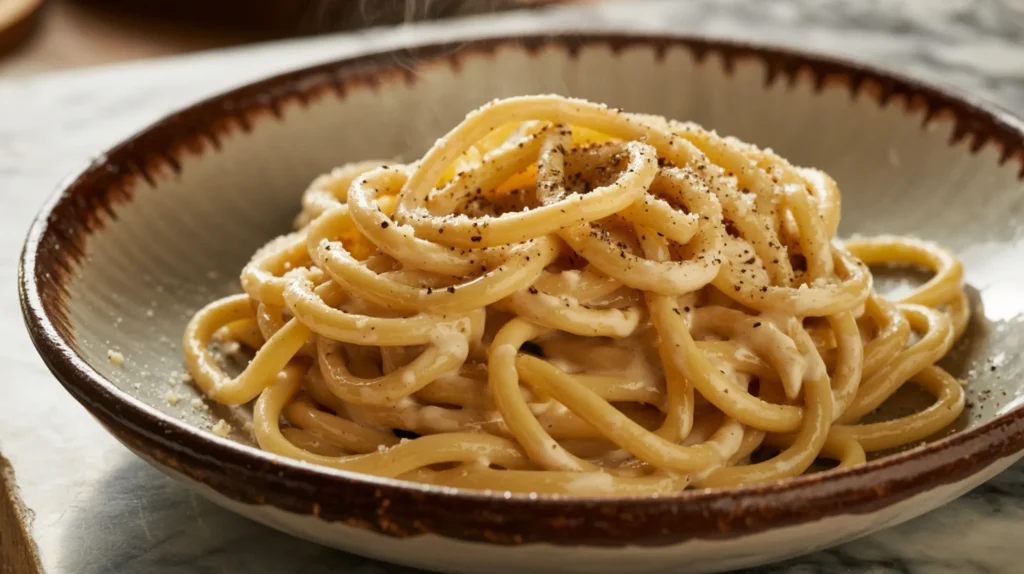
Common Mistakes to Avoid
Although the ingredient list is simple, a few common mistakes can affect the final result.
Adding Cheese Over High Heat
If the pan is too hot, the cheese can clump instead of melting smoothly. Always remove the pan from heat before adding the pecorino.
Using Pre-Grated Cheese
Pre-packaged grated cheese often contains additives that prevent proper melting. Freshly grated pecorino works best.
Not Using Enough Pasta Water
The starchy pasta water helps create the creamy texture. Adding it gradually allows the sauce to emulsify properly.
Why Cacio e Pepe Is a Roman Culinary Icon
Cacio e Pepe represents the philosophy of Roman cooking: simple ingredients, bold flavors, and traditional techniques. The dish relies on balance rather than complexity, which is why chefs and home cooks alike respect its preparation.
When enjoyed in Rome, Cacio e Pepe often tastes even better because of the quality of local ingredients and the skill of chefs who have perfected the recipe over generations.
Taste Authentic Roman Cuisine in Monti
While cooking Cacio e Pepe at home can be rewarding, tasting it in Rome offers a completely different experience. The Monti neighborhood, known for its charming streets and historic atmosphere, is home to several excellent trattorias where this classic dish is prepared with traditional methods.
Joining a Monti Food Tour with Montifood Tour Rome allows travelers to explore the neighborhood’s food culture while sampling authentic Roman dishes like Cacio e Pepe. Along the way, visitors discover hidden restaurants, local ingredients, and the stories behind Rome’s most beloved recipes.
Final Thoughts
Cacio e Pepe is proof that extraordinary food can come from the simplest ingredients. With just pasta, pecorino cheese, and black pepper, this Roman classic delivers a flavor that has delighted locals and visitors for generations.
Whether you try making the dish in your own kitchen or enjoy it in a traditional Roman trattoria, learning about Cacio e Pepe offers a deeper appreciation of Rome’s culinary traditions.
And if you want to experience the true flavors of the city, exploring the Monti district with Montifood Tour Rome is a perfect way to discover the authentic food culture that makes Rome such an unforgettable destination.
Remember, the best gelato is always made fresh daily with natural ingredients. If a gelateria can’t tell you when their gelato was made or what’s in it, that’s a red flag. Authentic artisans are proud of their craft and happy to share their process.
Related Articles
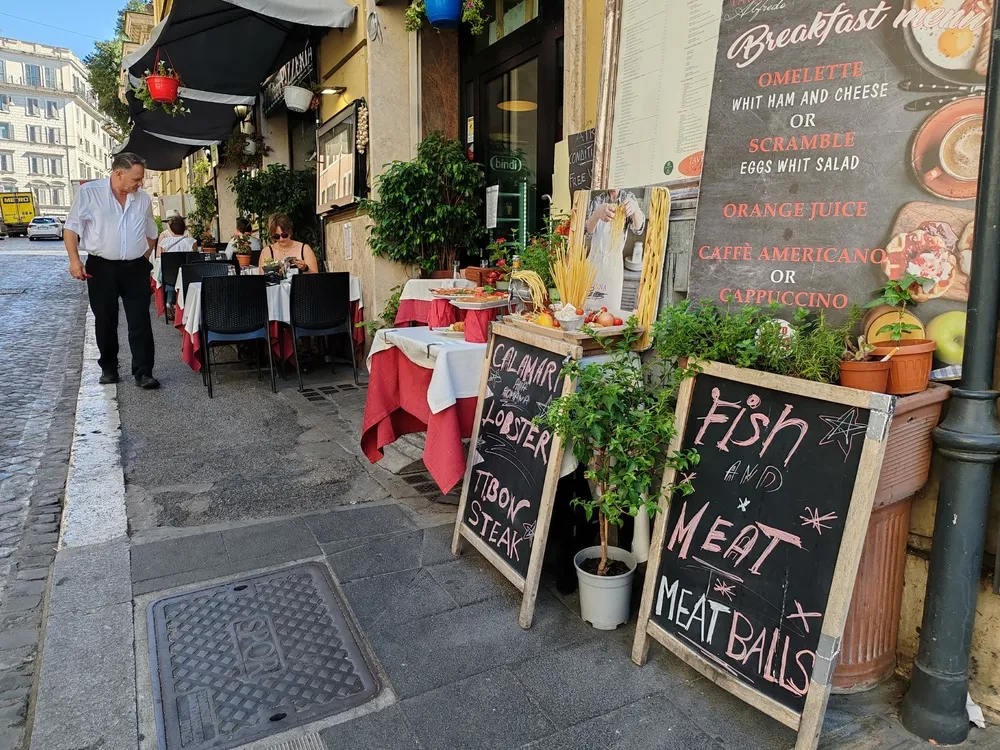
How to Get to Monti in Rome and Plan the Perfect Food Tour Day
Planning a trip to Rome involves a lot of decisions, and if you’ve already identified the Monti district and a

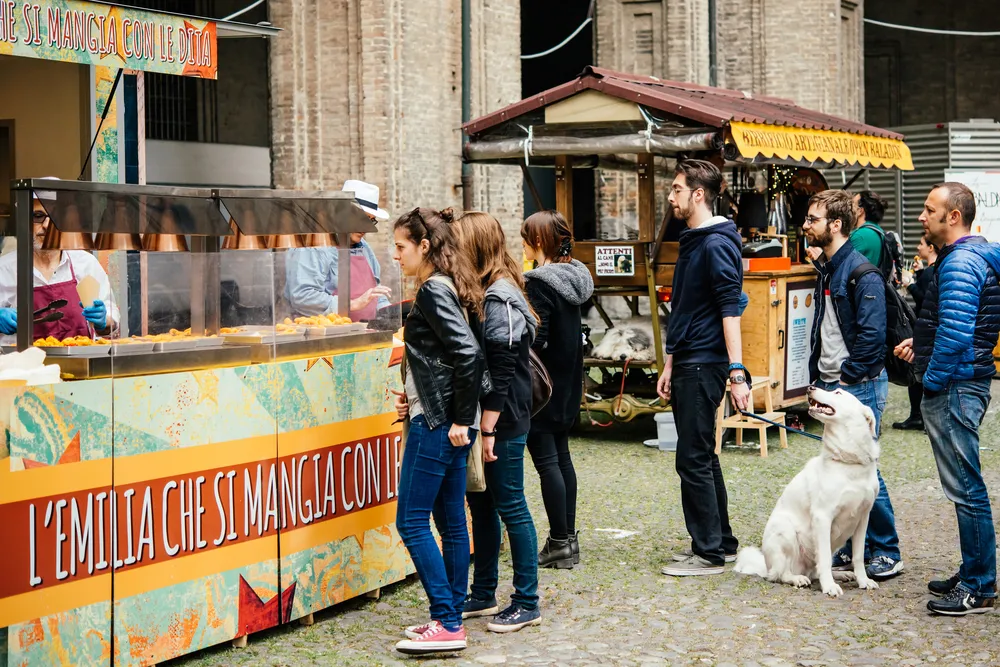
Traditional Roman Specialties You Shouldn’t Miss in the Monti District
Ask most travelers what they’re planning to eat in Rome, and you’ll hear the same answers: pizza, pasta, gelato. Which