

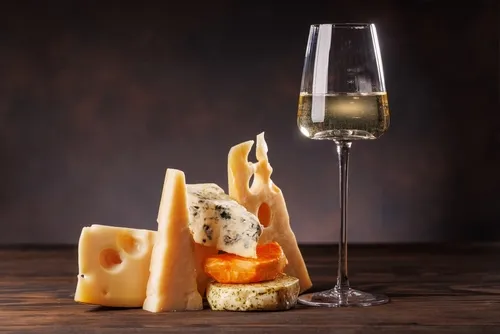
Rome is not only a city of ancient monuments and historic streets—it is also a destination where food and wine come together to create unforgettable dining experiences. Traditional Roman cuisine is known for its bold flavors, simple ingredients, and deep culinary traditions that date back centuries. When paired with the right wine, these dishes become even more memorable.
Italian meals are rarely complete without a good glass of wine. In Rome, locals enjoy pairing regional wines with classic Roman dishes such as carbonara, cacio e pepe, and amatriciana. Understanding these pairings can enhance your appreciation of Roman cuisine and help you enjoy meals the way locals do.
Why Wine Pairing Matters in Roman Cuisine
Wine pairing is an important part of Italian dining culture. Rather than choosing wine randomly, Italians often select wines that complement the ingredients and flavors of the dish being served.
Roman cuisine features strong elements such as pecorino cheese, cured meats, olive oil, and black pepper. These ingredients create bold flavors that require wines capable of balancing richness and enhancing taste. A well-matched wine can highlight subtle notes in the food while refreshing the palate between bites.
In many traditional trattorias throughout Rome, staff will gladly recommend wines that pair best with specific dishes. Often these wines come from nearby regions in central Italy, making the experience both authentic and local.
Cacio e Pepe and Crisp White Wines
One of the most iconic Roman pasta dishes is Cacio e Pepe, made with pecorino Romano cheese and black pepper. The sauce is creamy and rich, yet the pepper adds a sharp kick.
Because of this balance of richness and spice, crisp white wines often work beautifully with the dish.
Frascati
Frascati is a classic white wine produced just outside Rome. It has a light body, fresh acidity, and subtle citrus notes that cut through the creamy cheese sauce of Cacio e Pepe.
Vermentino
Another excellent pairing is Vermentino, a refreshing white wine with herbal and mineral characteristics. Its brightness complements the salty pecorino and keeps the dish from feeling too heavy.
Carbonara and Elegant White Wines
Spaghetti alla Carbonara is another Roman favorite made with eggs, guanciale, pecorino Romano, and black pepper. The dish is rich and savory, with the pork adding depth to the flavor.
Because carbonara is both creamy and salty, wines with balanced acidity work best.
Greco di Tufo
This southern Italian white wine offers bright acidity and subtle fruit flavors that balance the richness of carbonara.
Soave
Soave is another excellent option. Its delicate structure and light fruit notes complement the creamy sauce while allowing the dish’s flavors to shine.
Amatriciana and Medium-Bodied Red Wines
Pasta all’Amatriciana features tomato sauce, guanciale, and pecorino cheese. The acidity of tomatoes combined with the savory pork makes this dish perfect for red wine pairings.
Cesanese
Cesanese is a traditional red wine from the Lazio region around Rome. It has soft tannins and fruity notes that pair beautifully with the tomato-based sauce of Amatriciana.
Montepulciano d’Abruzzo
This medium-bodied red wine offers rich fruit flavors and balanced tannins that complement the savory ingredients in the dish.
Saltimbocca alla Romana and Structured Red Wines
Another classic Roman specialty is Saltimbocca alla Romana, a dish made with veal, prosciutto, and fresh sage. The flavors are savory, aromatic, and slightly salty.
Because of its richness, this dish pairs well with red wines that have enough structure to match its intensity.
Chianti
Chianti’s bright acidity and subtle earthy notes balance the saltiness of prosciutto while enhancing the flavors of the veal.
Nero d’Avola
This Sicilian red wine offers deeper fruit flavors and smooth tannins that work well with meat-based dishes like saltimbocca.

Roman Street Food and Sparkling Wines
Rome’s food culture also includes a variety of street foods and casual snacks. One popular example is supplì, a fried rice ball filled with mozzarella and tomato sauce.
Because these foods are often crispy and rich, sparkling wines can be an excellent pairing.
Prosecco
Prosecco’s light bubbles and refreshing acidity help cleanse the palate, making it a perfect match for fried Roman snacks.
Discover Wine and Food Together in Monti
One of the best places to explore Roman food and wine pairings is the Monti neighborhood, located just a short walk from the Colosseum. Monti is known for its charming streets, artisan food shops, and traditional trattorias where locals gather to enjoy good food and wine.
Many restaurants in Monti offer carefully selected wine lists featuring regional Italian wines that complement classic Roman dishes. For travelers, exploring these spots can provide a deeper understanding of Rome’s culinary traditions.
Joining a Monti Food Tour with Montifood Tour Rome is an excellent way to experience these flavors firsthand. Guided by local experts, visitors can sample traditional Roman dishes, learn about regional wines, and discover hidden food spots that many tourists never find on their own.
Final Thoughts
Wine pairing is an essential part of Roman dining culture. By matching the right wine with classic dishes like Cacio e Pepe, Carbonara, or Amatriciana, you can elevate the entire dining experience.
Whether you’re enjoying a relaxed meal in a neighborhood trattoria or tasting local specialties during a Monti Food Tour, exploring the connection between Roman food and wine offers a deeper appreciation of Italy’s culinary heritage.
Rome’s food culture is built on tradition, quality ingredients, and simple pleasures—and sharing great food with a good glass of wine is at the heart of it all.
Remember, the best gelato is always made fresh daily with natural ingredients. If a gelateria can’t tell you when their gelato was made or what’s in it, that’s a red flag. Authentic artisans are proud of their craft and happy to share their process.
Related Articles
How to Get to Monti in Rome and Plan the Perfect Food Tour Day
Planning a trip to Rome involves a lot of decisions, and if you’ve already identified the Monti district and a

Traditional Roman Specialties You Shouldn’t Miss in the Monti District
Ask most travelers what they’re planning to eat in Rome, and you’ll hear the same answers: pizza, pasta, gelato. Which