

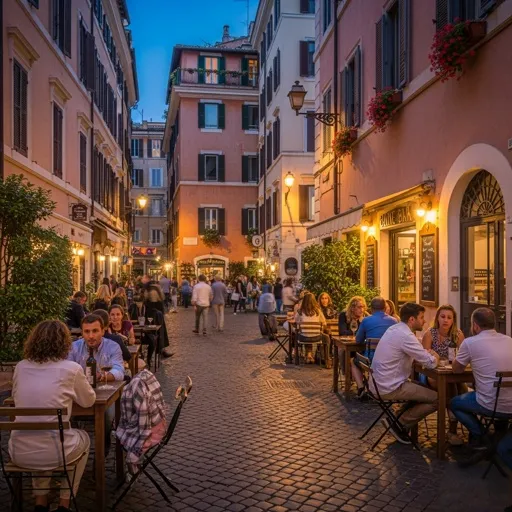
Rome is famous for its restaurants and trattorias, but if you really want to understand the city’s food culture, you should start at the markets. Food markets in Rome are vibrant places where locals shop for fresh vegetables, seasonal fruits, cheeses, cured meats, and traditional Roman ingredients. Walking through these markets offers a glimpse into everyday Roman life and reveals the ingredients behind the dishes that make Italian cuisine so beloved.
For travelers visiting Rome, exploring these markets is not only a culinary experience but also a cultural one. From historic open-air markets to modern food halls, Rome offers several markets where you can taste authentic flavors and see how locals shop for their daily meals.
Why Food Markets Are an Important Part of Roman Culture
Markets have always played a central role in Roman life. Long before supermarkets existed, neighborhoods relied on local markets to supply fresh produce, fish, bread, and meats. Even today, many Romans prefer buying their ingredients directly from trusted vendors rather than large grocery stores.
Visiting a Roman food market means more than just shopping. It is a social experience where people chat with vendors, ask for cooking tips, and select the best seasonal ingredients for traditional dishes. For travelers, these markets offer a chance to see the authentic side of the city and learn about the ingredients used in classic Roman recipes.
Campo de’ Fiori Market
One of Rome’s most famous markets is located in Campo de’ Fiori, a historic square in the city center. During the day, the piazza transforms into a lively open-air market filled with colorful stalls selling fresh fruits, vegetables, herbs, spices, and local products.
Visitors can find everything from sun-ripened tomatoes and artichokes to bottles of olive oil and traditional pasta. While some stalls cater to tourists, many locals still come here to buy seasonal ingredients.
Testaccio Market
For a more authentic experience, many locals recommend Testaccio Market, located in one of Rome’s traditional food neighborhoods. This modern indoor market combines classic market stalls with small food stands where visitors can enjoy freshly prepared Roman dishes.
Testaccio has long been associated with Roman culinary traditions, and the market reflects this heritage. Vendors sell high-quality cheeses, cured meats, fresh pasta, and seafood. You can also find street food stands serving popular Roman snacks like supplì, fried rice balls filled with mozzarella and tomato sauce.
Many travelers consider Testaccio Market one of the best places in Rome to experience local food culture without the heavy tourist crowds.
Trionfale Market
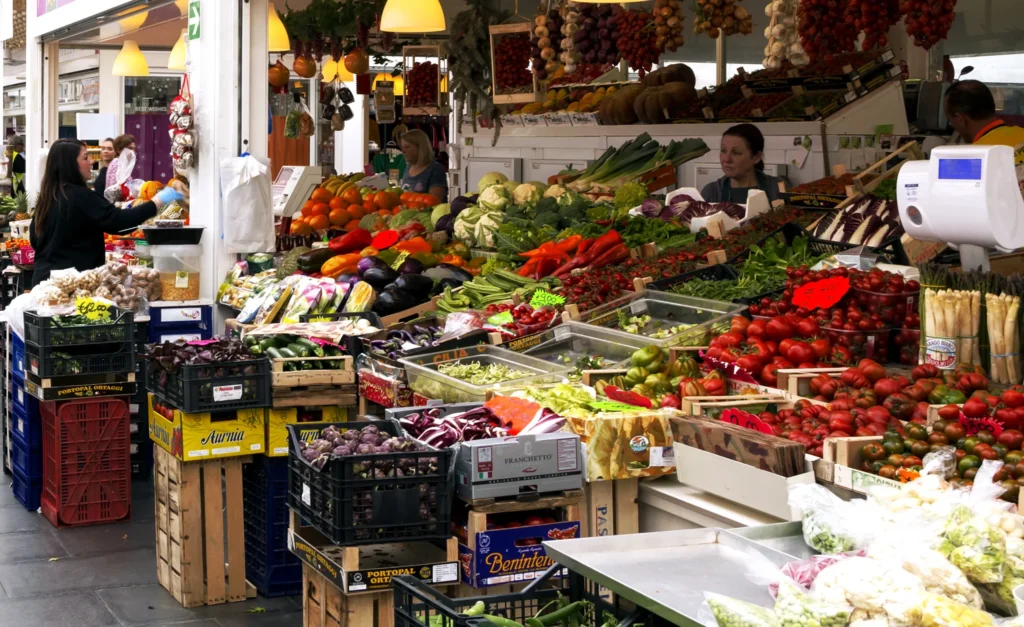
Another impressive market is Mercato Trionfale, located near Vatican City. It is one of the largest food markets in Rome and offers an incredible variety of fresh ingredients.
Inside the market, you’ll find dozens of stalls selling vegetables, fish, meats, cheeses, breads, and traditional Roman specialties. The variety here is remarkable, and it’s the kind of place where locals shop for ingredients to prepare classic dishes like carbonara or amatriciana at home.
Because the market is primarily used by residents rather than tourists, it provides an authentic look at daily Roman life.
Monti Neighborhood Markets and Local Shops
While large markets are fascinating, smaller neighborhood markets and food shops can also reveal Rome’s culinary traditions. The Monti district, known for its charming streets and historic character, has several small food stores, bakeries, and specialty shops where locals buy fresh ingredients and traditional products.
Walking through Monti, visitors may discover small family-run stores selling handmade pasta, fresh bread, Italian cheeses, and local wines. These shops are often hidden along quiet streets and are easy to miss unless you know where to look.
This is one reason why many travelers enjoy exploring Monti with a local guide who can introduce them to these hidden food spots.
What to Try When Visiting Roman Food Markets
If you’re visiting a food market in Rome, there are several traditional foods worth tasting.
Italian Cheeses
Roman markets often feature a variety of cheeses, including pecorino romano, a sharp sheep’s milk cheese commonly used in pasta dishes like cacio e pepe.
Fresh Produce
Seasonal fruits and vegetables are a highlight of Roman markets. Artichokes, tomatoes, zucchini flowers, and figs are just a few examples of ingredients used in local cooking.
Street Food Snacks
Many markets now include small food stalls where visitors can try local snacks such as supplì, pizza al taglio, or freshly prepared sandwiches.
Discover Rome’s Food Culture with Montifood Tour Rome
While exploring markets on your own can be exciting, understanding the stories behind the food often requires local knowledge. This is where a guided Monti Food Tour can make the experience even more memorable.
With Montifood Tour Rome, visitors can explore authentic neighborhoods, taste traditional Roman dishes, and discover hidden food spots that many tourists never find. Guided by local experts, these tours combine food, culture, and history to give travelers a deeper understanding of Rome’s culinary traditions.
Final Thoughts
Rome’s food markets offer an authentic window into the city’s daily life. From the colorful stalls of Campo de’ Fiori to the lively atmosphere of Testaccio Market, these places reveal the ingredients and traditions behind Roman cuisine.
For travelers who love food, visiting these markets is one of the best ways to experience Rome like a local. And when combined with a Monti Food Tour, the journey becomes even more rewarding, allowing you to taste the flavors, stories, and traditions that make Rome one of the world’s great culinary destinations.
Remember, the best gelato is always made fresh daily with natural ingredients. If a gelateria can’t tell you when their gelato was made or what’s in it, that’s a red flag. Authentic artisans are proud of their craft and happy to share their process.
Related Articles
How to Get to Monti in Rome and Plan the Perfect Food Tour Day
Planning a trip to Rome involves a lot of decisions, and if you’ve already identified the Monti district and a

Traditional Roman Specialties You Shouldn’t Miss in the Monti District
Ask most travelers what they’re planning to eat in Rome, and you’ll hear the same answers: pizza, pasta, gelato. Which